Choosing the Right Spill Containment Tray: How Spill Trays Protect Labs and Personnel
In laboratories, accuracy and safety always go hand in hand. where a spill containment tray plays a vital role Even overall, even small accidents such as chemical spillage, liquid leaks, or chemical splashes can endanger experiments, harm equipment, and, more gravely, endanger lives. These trays may look simple. However, they are the primary defense against threats that could come from the environment, chemical exposure, and contamination.
Every research and educational laboratory, food testing facility, industrial R&D establishment, pharmaceutical laboratory, and even research institution requires efficient and effective spill containment solutions to ensure that all operations are smooth, efficient, and safe. This article deals with the various reasons for having spill trays, their protective values to both people and the laboratory, and their selection for particular laboratory environments.
Why a Spill Containment Tray Matters in Laboratories
In highly controlled environments, spills may happen. Accidentally spilled chemicals, oils, acids, and solvents can also cause risks. A spill containment tray minimizes the spread of hazardous liquids and protects the surroundings from dangerous liquids.
Workbenches, storage shelves, and flooring stay safe.
Personnel avoid direct contact with harmful substances.
Cleanup takes minutes instead of hours.
Compliance with laboratory safety standards
Think of them as your lab’s safety seatbelt. You hope to never need them, but you can’t imagine working without them.

How Spill Trays Protect Personnel and Equipment
Preventing Exposure to Harmful Substances
Chemical spills may cause skin infection, eye injury, and the release of noxious fumes. The primary safeguard against liquids contaminating clothes or coveralls and work surfaces is a spill tray. For laboratory personnel, this significantly reduces the probability of such incidents and enhances safety in the environment.
Maintaining Contamination-Free and Sterile Workstations
The low contamination may jeopardize the outcomes of many sensitive experiments. By gathering and containing drips and leaks, spill trays help maintain sterility and avoid material cross-contamination.
Protecting Surfaces and Equipment
Chemicals have the ability to discolor bench tops and corrode surfaces. Lab benches and delicate equipment are protected from these attacks by spill trays, preventing needless replacement or repair.
Ensuring Regulatory Compliance
Laboratories are required to comply with safety standards set by OSHA, ISO, or internal audits. Spill containment usage simplifies compliance, showing responsible substance handling and storage.
Reducing Cleanup Time
Absence of a spill tray can result in leaks spreading over a wide area. This circumstance necessitates not only thorough cleaning but also, for a while, a total shutdown. By isolating the leak, spill trays enable the user to quickly clean the tray and resume work.

Where Spill Containment Trays Are Used
A Spill Containment.
Pharmaceutical and biotech facilities
Diagnostic centers & pathology labs
Universities and science departments
Chemical & analytical testing labs
Food and beverage testing facilities
Industrial processing units
A spill tray should be your safety companion wherever liquids are kept, moved, or poured.
Identify Key Features When Selecting a Spill Containment Tray
It is crucial to get the correct tray. Environmental factors are critical, and even the best tray will not provide help if it is not compatible.
Here’s what to check before purchasing:
Material Durability
Look for trays made from high-quality polymers that can withstand chemicals, acids, alkalis, oils, solvents, and disinfectants. Strong industrial-grade plastic is preferred to resist corrosion, cracking, and long-term
Chemical exposure.
Consider what containers you’ll place small reagent bottles or heavy drums? Choose trays that support an adequate load without bending or warping.
Chemical Compatibility
Ensure the tray is compatible with the liquids used in your lab. Not all plastics resist every chemical type, so matching compatibility is key.
Spill Volume Holding Capacity
Labs must plan for worst-case scenarios. A good tray should hold more than the largest container you place on it, ensuring overflow protection.
Non-Slip Surface
A textured surface helps keep bottles stable and prevents accidental tipping or sliding.
Ease of Cleaning
Smooth surfaces without tight corners make cleaning simple and maintain hygiene standards.
Size Options
Trays should fit your benchtop, storage rack, or refrigeration area perfectly. Available in multiple sizes, they should support both compact lab corners and larger workstations.

Tips for Using Spill Trays Effectively in Labs
Position trays near chemical storage areas and dispensing points.
Always keep containers capped unless in active use.
Inspect trays regularly for cracks or residue buildup.
Label trays for specific chemicals if required.
Train staff on proper spill collection and disposal procedures.
Spill safety is a culture, not just a tool.
Real-World Scenarios Where Spill Trays Save the Day
A technician accidentally knocks a solvent bottle. The spill tray captures all liquid instantly.
A reagent bottle leaks overnight; the bench stays safe, and no contamination spreads.
A bio lab stores samples that thaw during power interruptions. Meltwater stays contained.
Small precautions prevent big disruptions.

Why Investing in a Spill Containment Tray Is Smart
Labs already invest in PPE, fume hoods, testing equipment, and high-grade infrastructure. A spill containment tray is a low-cost tool that:
Prevents accidents
Avoids equipment damage
Reduces downtime
Enhances staff confidence and safety standards
It’s simple, affordable, and highly effective, like the best safety tools always are.
Conclusion
An effective, safe laboratory requires more than just advanced equipment. Good safety practices and proper planning are also essential. A spill containment tray facilitates providing spill and leak protection for personnel and equipment and covers the lost value of the laboratory work by preventing spills from escalating into hazardous situations.
When handling and storing biological fluids, oils, and other hazardous materials, or when cleaning with chemical detergents, spill containment trays are also essential for both safety and operational effectiveness.
Planning new setups or improving safety in current lab and workplace environments will always increase overall productivity and safeguard material and human resources.
For laboratory and industrial environments, Swift Technoplast actively provides advanced spill trays that are durable, chemical resistant, and reliable. They can be trusted to meet your needs in various fields, and their trays will give your laboratory peace of mind in operation, safety, and efficiency.
FAQs on Spill Containment Tray
1. What is a spill containment tray?
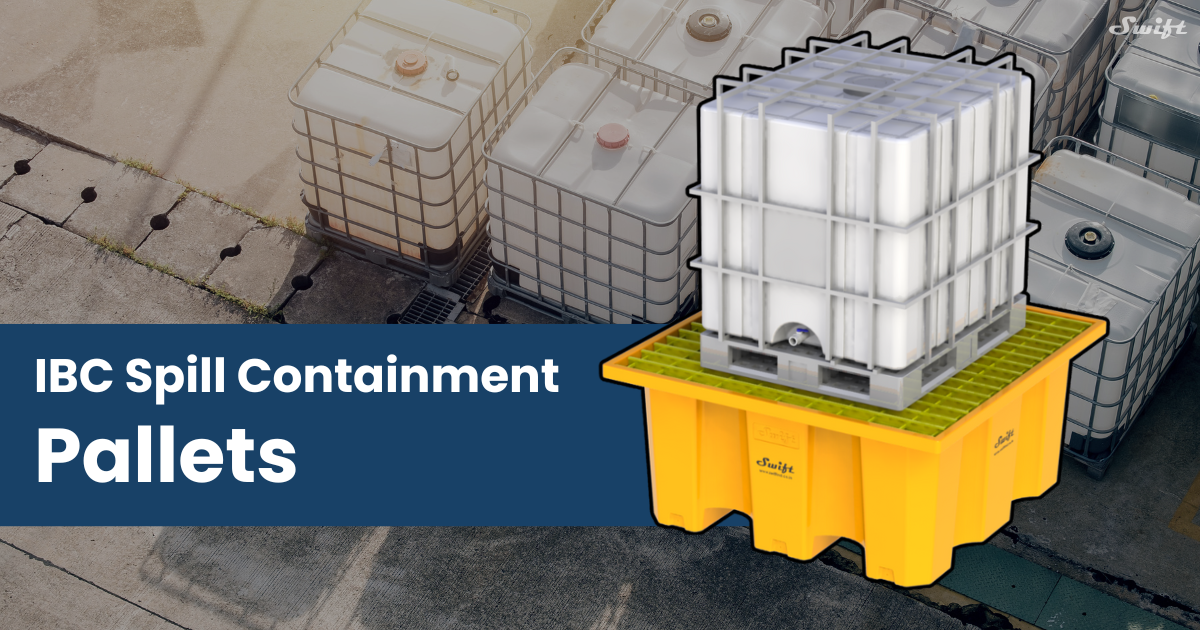
A spill containment tray is a safety accessory designed to catch and contain leaks, drips, and spills from chemical containers, lab bottles, or industrial equipment. It prevents hazardous substances from spreading and contaminating surfaces.
2. Why are spill containment trays important?
They help protect personnel, surfaces, and the environment from chemical exposure. They also support lab/industry compliance with safety and environmental regulations.
3. Do spill containment trays help with compliance?
Yes, they help businesses comply with occupational safety and environmental standards by preventing spills and contamination.
4. Can spill containment trays be reused?
Yes. Most trays are reusable simply clean after a spill with proper PPE and cleaning procedures.
5. What liquids can a spill containment tray hold?
They can hold chemicals, oils, fuels, acids, alkalis, solvents, water and other hazardous liquids, depending on tray material compatibility.


Comments
Post a Comment